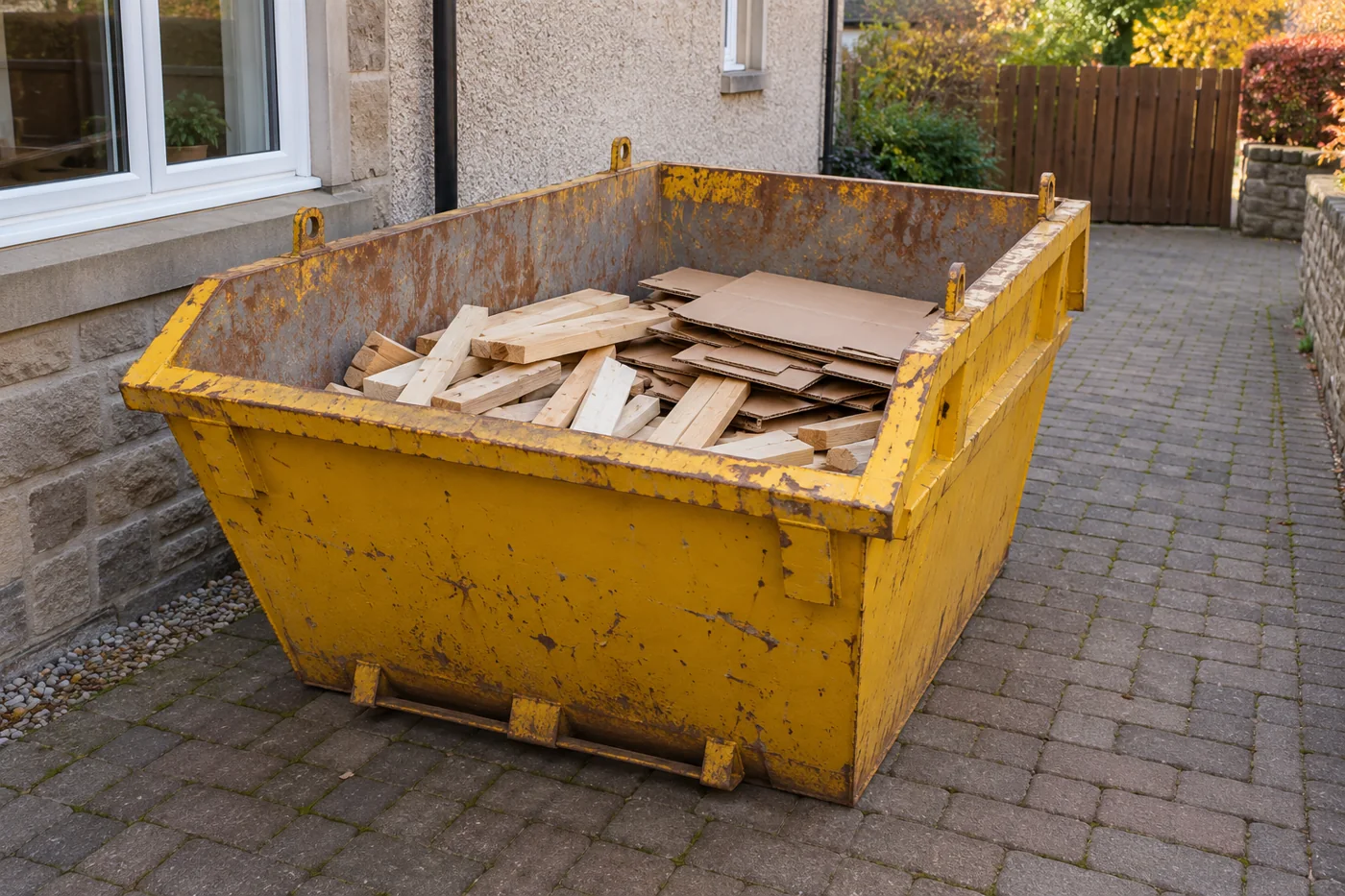
Start with the waste and weight allowance
Before anything goes into the skip, agree what you will be putting in it. A garage clear-out, old kitchen units and a pile of broken paving can take up similar space but make very different loads. Describe the materials rather than calling everything general rubbish. Mention soil, rubble, plasterboard and large furniture separately so the size and allowed contents can be confirmed.
The capacity is the space inside the skip, not a promise that it can carry that volume of every material. A larger container may be unsuitable for heavy waste. Our skip size comparison explains the choices. If your plans change during the job, call before adding a new type of waste. Do not assume an earlier agreement covers everything you later find.
Give yourself a clear route to the skip
Look at the journey from the waste to the skip before you start carrying. Move loose packaging away from doors, leave gates usable and keep a walking route for anyone sharing the entrance. Plan somewhere to set an item down without blocking the path. An awkward turn can matter more than the distance from the house.
Wear suitable gloves and sturdy footwear for the material you are handling, but do not treat protective clothing as a reason to attempt a difficult lift. If an item is too heavy or awkward to move comfortably, stop and arrange suitable help. HSE’s manual handling guidance explains why there is no single weight that is safe for every lift. Describe stairs and bulky items when arranging help.
Flatten boxes and make bulky items manageable
Empty cardboard boxes can leave a lot of unused air inside a skip. Flatten clean packaging that is included in the agreed waste, then keep it together ready for loading. Separate unwanted contents first: a box does not make paint, batteries or electrical items suitable for an ordinary skip.
Some old furniture can be taken apart into smaller sections, but only do this where it is safe and practical. Remove loose shelves or drawers before moving a unit, and keep fixings contained. Do not smash unfamiliar panels or cut materials that might contain asbestos. You do not have to break everything down: measure long items and ask whether they will fit inside the chosen skip. Saving space should make the job easier, without creating sharp pieces or another lifting problem.
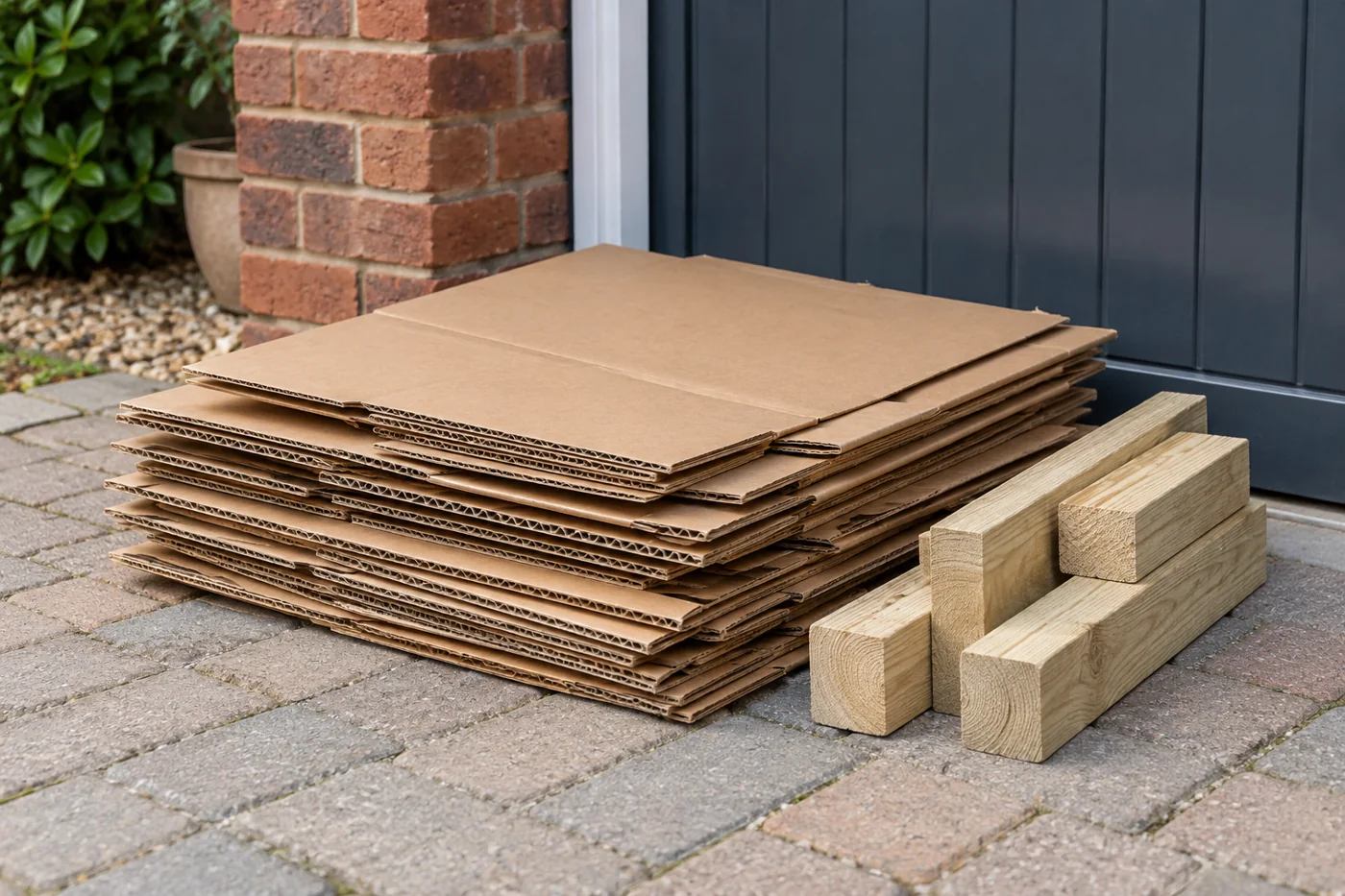
Load from the ground
Put items in carefully from a stable position on the ground. Lay short, flat pieces so they do not leave unnecessary gaps, and spread the agreed material through the available space rather than building a tall pile at one end. Keep hands clear of trapped gaps and exposed edges. If a piece cannot be placed safely, stop and rethink how it will be handled.
Never climb into the skip or stand on the waste to squash it down. Do not improvise a platform from a door, ladder or loose boards. Ask about suitable loading arrangements if the skip sides are difficult to reach; do not assume a loading door is supplied. Good use of the space comes from choosing a suitable container and manageable pieces, rather than forcing more rubbish into it.
Keep below the fill line and watch the weight
Every part of the load needs to stay within the allowed fill level. Check from the side as well as looking down into the skip: one long board can stick out even when the rest of the load looks low. Do not use doors or boards to make the sides higher. Leave the top edge clear so the load can be lifted and moved safely.
A low load can still be too heavy. Keep to the agreed allowance for soil, stone or concrete, even if space remains. An overloaded or unsafe skip may need the excess removed before it can be collected. If the waste will not fit, call about the next step instead of balancing it over the top. Our guide to what affects a skip hire quote covers changes and extra-service questions.
Keep separate items out of the load
Set aside anything that was not included in the booking. Batteries, gas bottles, liquids, chemicals and suspected asbestos must not be hidden inside an ordinary load. Check first about mattresses, upholstered seating, plasterboard and electrical items; a separate arrangement may be needed, and acceptance is not automatic.
Tell everyone helping with the clear-out what has been agreed. A well-meaning helper can add a bag from another room without knowing what it contains. Keep uncertain items away from the loading area until you have an answer. Read the accepted waste and safe-loading guide before the work starts. If you discover a doubtful material after booking, describe it by phone rather than trying to remove or break it up yourself.
Leave the lorry room to collect
Keep the approach clear while the skip is on hire. Garden deliveries, parked cars and new building materials can block the same space the lorry used on arrival. Tell the team if a gate, scaffold or surface will change during the work. Our driveway and delivery-space guide explains why the vehicle needs more room than the container.
When the lorry arrives, follow the driver’s directions and keep other people away from the working area. Do not stand beside the skip to add one last item while lifting is being arranged. HSE’s guidance on transport-related lifting highlights the need to keep people clear. The driver handles the lifting equipment; you should not attach chains or try to guide the moving skip yourself.
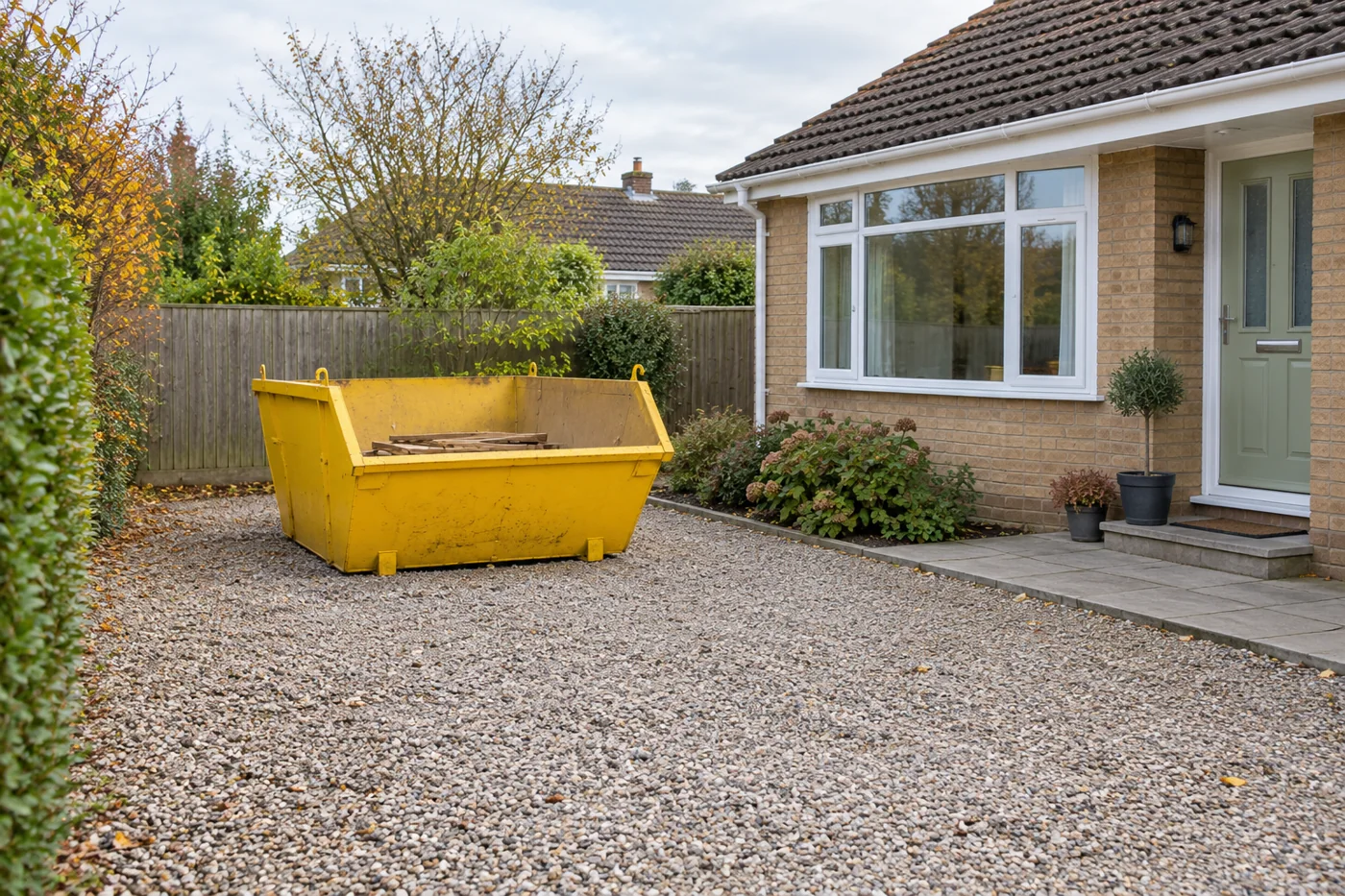
A quick check before you call for collection
Walk around the skip from a safe position. Check that nothing protrudes, the load remains within the fill level and the approach is clear. Make sure nobody has added an unagreed item. Do not climb up to rearrange waste you cannot reach safely. If something needs attention, explain it when you call.
For skip hire in Alloa, call with your postcode, waste details and the collection you need. Agree the timing rather than assuming the skip will leave automatically. If your job is a single pile and you would prefer the lifting and loading done for you, ask about rubbish removal with loading. Describe the items and access so the service can be agreed before a visit.