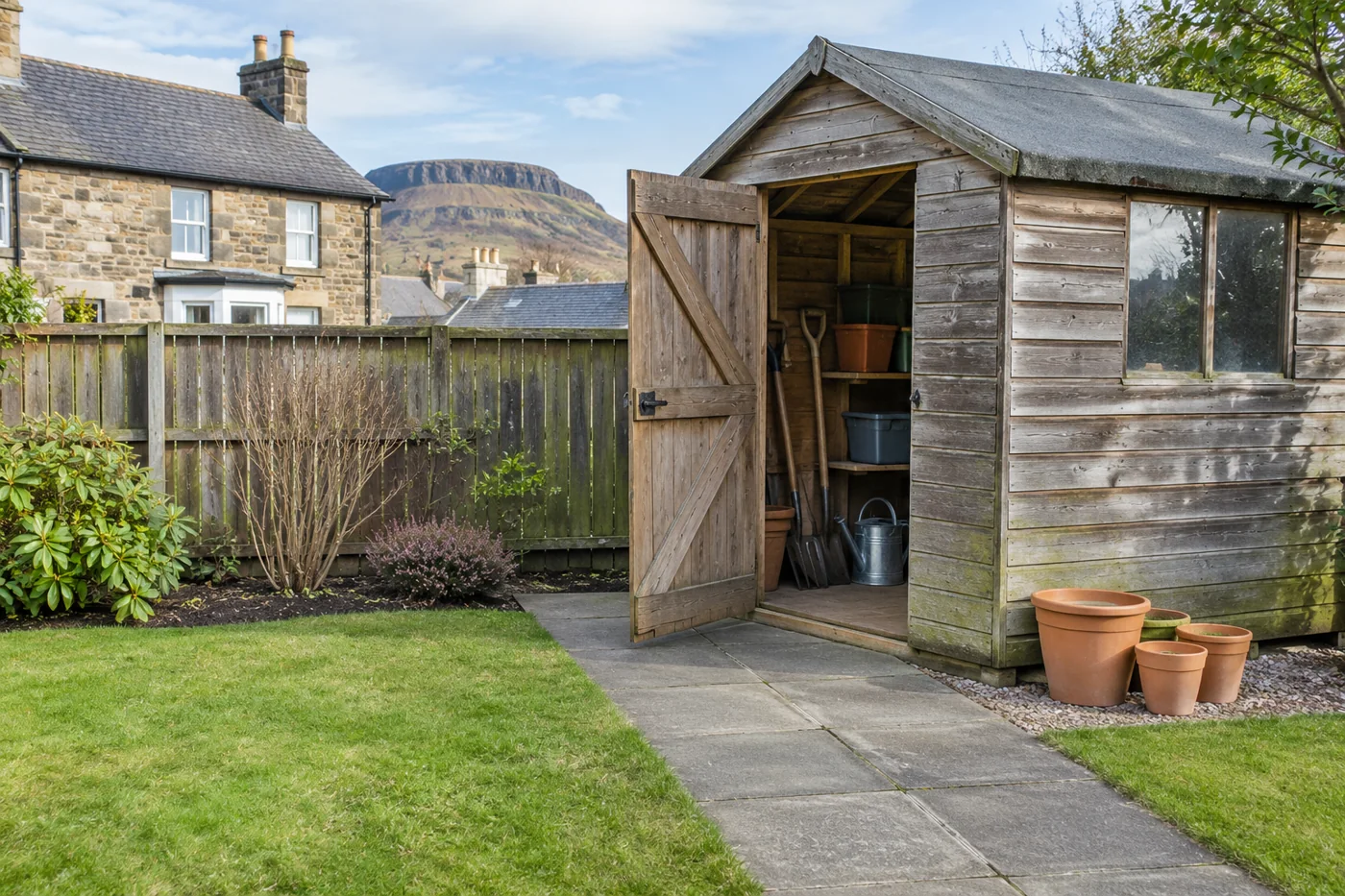
Decide whether the shed itself is staying
Emptying a shed and taking down the structure are two different jobs. If you want the space back for tools, start with the contents. A few boxes, broken pots and damaged shelves may be all that needs to go. If the shed is coming down as well, list the roof covering, walls, floor and any slabs underneath separately. A quote based on the contents alone will leave out much of the material.
Check whether the shed has a power supply or anything fixed to the structure before planning removal. If there is a power supply, arrange for an electrician to disconnect it before the shed comes down. Get help with dismantling if you need it. A skip booking gives you somewhere to put agreed waste as you work. Ask separately about rubbish removal if you want a prepared pile of items loaded and taken away.
Sort the contents before choosing a skip
Start with the items that are easy to identify and safe to move. Make a space for tools and pots you will keep, another for usable things you can pass on, and a separate pile for ordinary waste. Work from the doorway inward so you can put things down without blocking your way out. Keep shelves stable and leave awkward items where they are until you have a safe way to move them.
Count the large things in the waste pile as well as the bags. A broken workbench, long shelving and empty boxes take up space differently. A few heavy slabs can change the weight of the job even when the shed looks almost empty. Our skip size guide explains capacity and approximate dimensions. Give us the materials and the largest item before settling on a size.
Set aside batteries, liquids and electrical items
A shed can hold old tins of paint, garden chemicals, fuel, gas cylinders and batteries from tools and lawn equipment. Keep these out of an ordinary skip. Leave unknown liquids in their original containers if they can safely be left where they are. Avoid opening unlabelled tins, combining liquids or emptying them down a drain. Get advice on a suitable disposal route for the contents.
Put broken electrical tools and their chargers on your list separately from ordinary rubbish. The council’s Forthbank waste list gives separate options for several household items, including batteries and small electricals. Check the exact item before travelling. Bring up unusual items when discussing a collection, too. The Alloa waste guide explains what to agree before you load.
Leave suspect sheets alone
An old shed can have roof sheets or panels whose material you cannot identify from a quick look. Some older cement products contain asbestos. If you suspect asbestos, stop work near the material and leave it undisturbed. Seek advice from a competent asbestos professional before anybody cuts, drills or moves it. The HSE asbestos guidance explains why identification needs care.
Keep the ordinary contents of the shed separate from any suspect building material. If loose debris may have come from a suspect panel, leave it where it is and include it when seeking advice. An ordinary skip or rubbish collection cannot take asbestos. Arrange the right disposal route before booking removal of the rest of the shed waste.
Check the gate and the carrying route
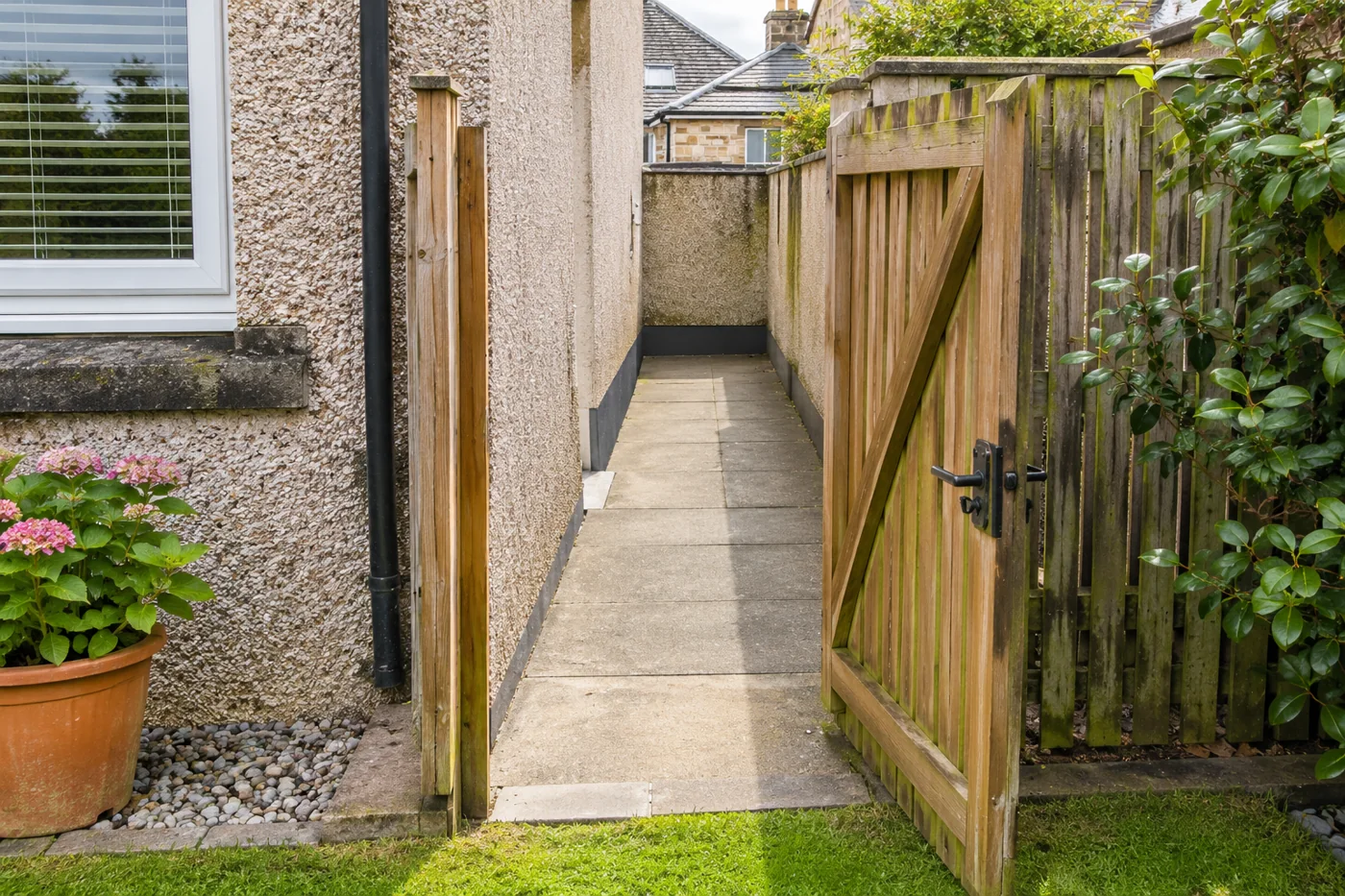
Measure the widest item against the gate, steps and any turn in the path. A shelf that clears the gate opening might still be too long to turn between a wall and a fence. Keep somewhere firm and level to set things down when you need to pause. Leave the passage and shared entrances clear as the pile grows.
Tell us if the shed is down steps or at the bottom of a long garden. A skip needs a suitable position and room for the lorry at the other end of that route. If you are using a shared drive, agree access with the people who use it. The delivery checklist covers what to have ready before the lorry arrives.
Choose how you want the rubbish taken away
A skip can suit a job that will take more than one session. You have somewhere to put the agreed waste while you work and you fill it yourself. Allow enough space for the largest item to sit inside the rim. If you are also clearing soil, broken paving or rubble, describe each material before booking so the load and weight limit can be agreed.
For one sorted pile, ask about rubbish removal with loading. List the items you want collected and explain the distance from the shed, any steps and where a vehicle can stop. Our skip and rubbish collection comparison explains the difference in how each option is loaded and quoted.
Have a short waste list ready when you call
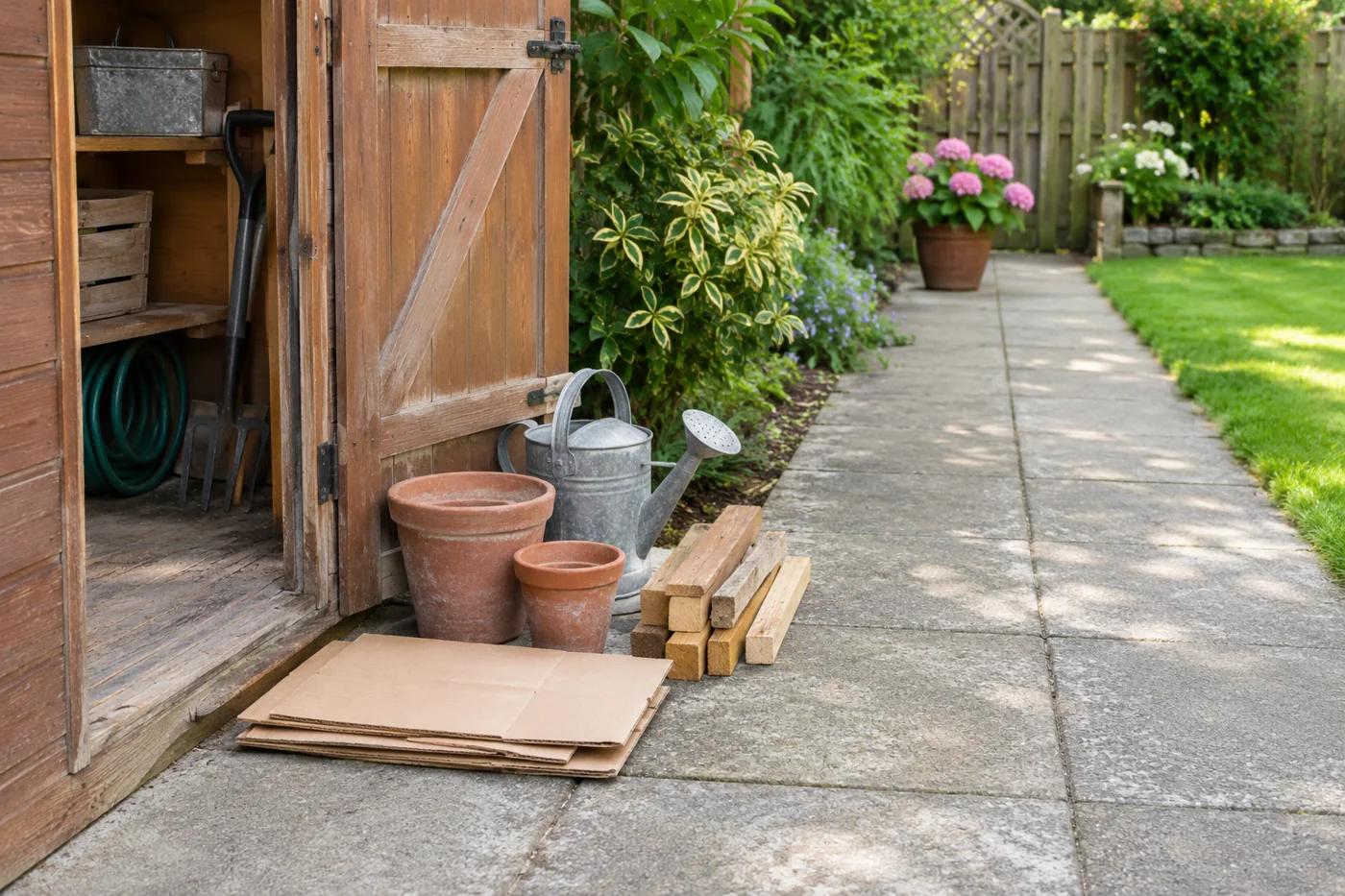
For skip hire in Alloa, have the postcode, preferred date and proposed position ready. Tell us whether the job is the shed contents only, what takes up the most space and whether anything is especially heavy. Say what you have set aside so the booking is based on the waste you actually want removed. A useful description might be three shelves, broken pots, flattened boxes and some short timber pieces.
Once the size and materials are agreed, use our skip loading guide to keep the waste below the fill line and within its weight limit. Call when loading is finished and keep the approach clear for collection. If emptying the shed turns up a different type of waste, check with us before adding it.